Understanding DWI Charges in New York
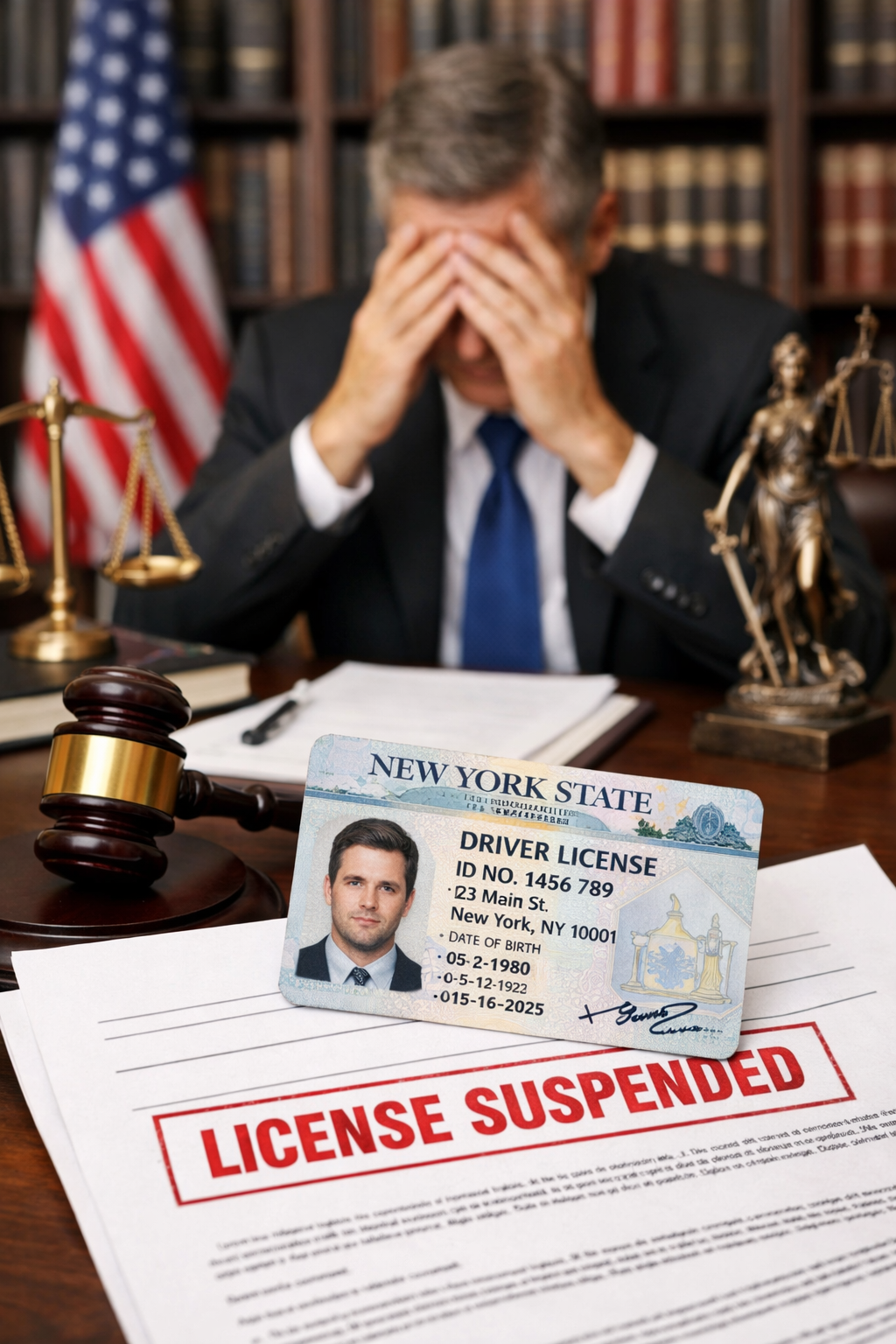
DWI charges in New York can have serious consequences, including fines, license suspension, and even jail time. It is crucial for individuals facing such charges to understand the legal implications and the process that follows an arrest.
The state of New York categorizes DWI offenses based on blood alcohol content (BAC) levels, with penalties escalating for higher BAC readings. For example, a BAC of 0.08% or higher can lead to misdemeanor charges, while a BAC of 0.18% or higher may result in aggravated DWI charges, which carry harsher penalties.
The Importance of Hiring a DWI Attorney
Hiring a qualified DWI attorney is essential for anyone facing DWI charges in New York. An experienced lawyer can navigate the complexities of the legal system, advocate on behalf of the defendant, and potentially reduce the severity of the penalties.
A skilled attorney will analyze the circumstances of the arrest, including the validity of the traffic stop and the accuracy of breathalyzer tests. They can also negotiate plea deals or represent clients during trial, ensuring that their rights are protected throughout the process.
Potential Defenses Against DWI Charges
There are several defenses that can be employed in DWI cases, which may lead to a dismissal or reduction of charges. Understanding these defenses is crucial for anyone accused of a DWI in New York.
Common defenses include challenging the legality of the traffic stop, questioning the accuracy of chemical tests, and demonstrating that the driver was not impaired at the time of the arrest. Each case is unique, and a knowledgeable attorney can help identify the most effective defense strategy based on the specifics of the situation.
Consequences of a DWI Conviction
A DWI conviction in New York can have lasting consequences that extend beyond immediate legal penalties. Individuals may face long-term impacts on their personal and professional lives as a result of a conviction.
Consequences can include mandatory alcohol education programs, increased insurance premiums, and difficulties in employment, especially for jobs requiring driving. Furthermore, a DWI conviction can remain on an individual's driving record for years, affecting their ability to obtain a license in the future.