Understanding DWI Charges in New York
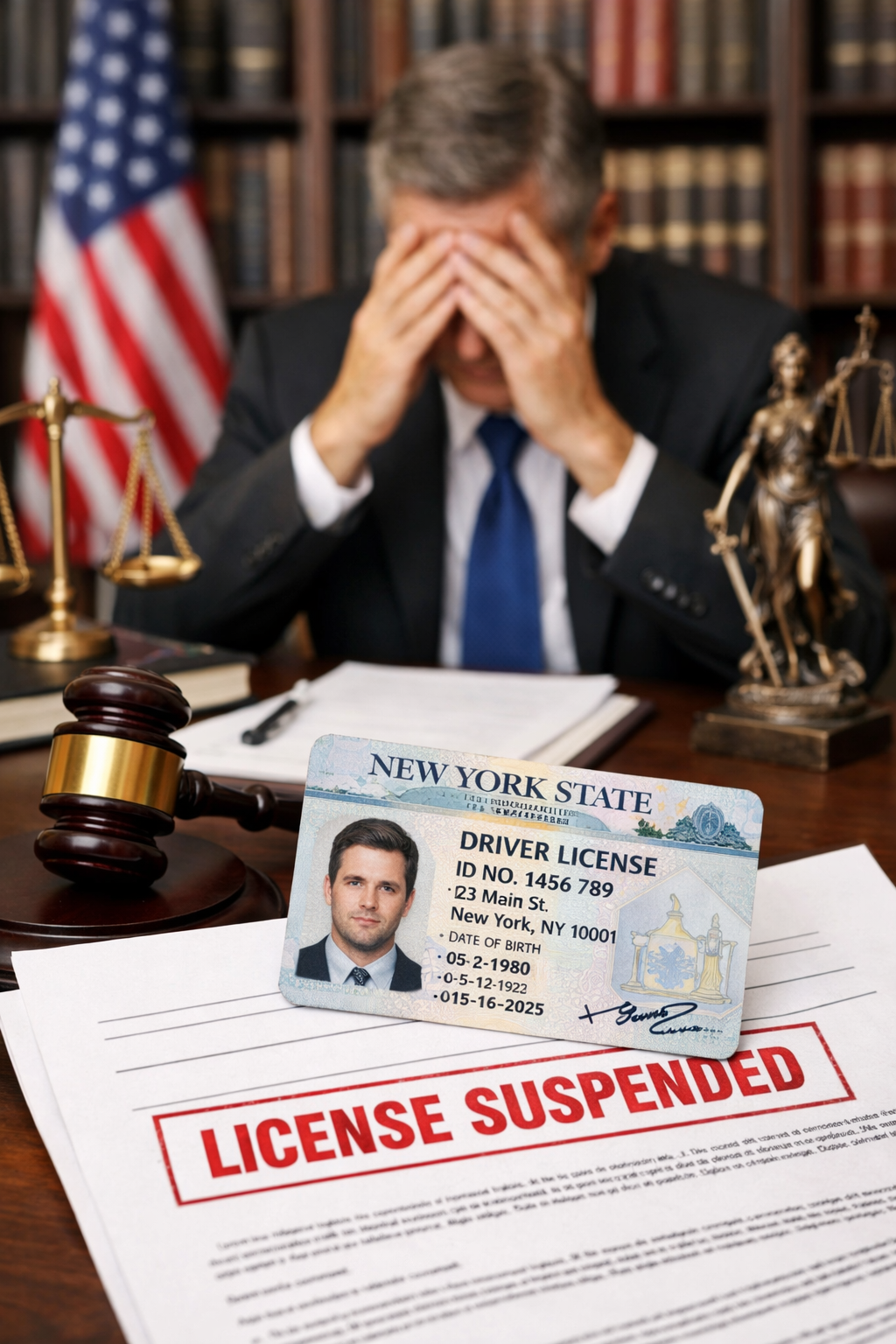
DWI charges in New York can have serious implications for individuals, including hefty fines, license suspension, and even jail time. It's crucial for anyone facing these charges to understand the legal definitions and the potential consequences that come with a conviction.
In New York, a DWI charge is typically defined as operating a motor vehicle with a blood alcohol content (BAC) of 0.08% or higher. However, for drivers under 21, the legal limit is 0.02%. Understanding these thresholds and the various degrees of DWI offenses can help individuals navigate their legal options more effectively.
The Importance of Legal Representation for DWI Cases
Having experienced legal representation is vital when dealing with DWI cases in New York. A skilled attorney can help individuals understand their rights, evaluate the evidence against them, and develop a robust defense strategy.
Legal representation can significantly impact the outcome of a DWI case. Attorneys can negotiate plea deals, challenge the validity of evidence, and even seek dismissals based on procedural errors. This expertise is essential for achieving the best possible result, whether it be reduced charges or a complete dismissal.
Steps to Take After a DWI Arrest
If you find yourself arrested for a DWI in New York, there are critical steps to take immediately. First, it is essential to remain calm and comply with law enforcement instructions, as this can influence the legal process that follows.
After your release, contacting a DWI attorney should be your next step. They can guide you through the legal proceedings, help you understand your rights, and assist in preparing your defense. Additionally, gathering any evidence related to your arrest, such as witness statements or documentation, can be beneficial for your case.
Common Myths About DWI Charges
There are several misconceptions surrounding DWI charges that can mislead individuals about their legal options. One common myth is that refusing a breathalyzer test automatically leads to a conviction, which is not necessarily true.
While refusing a breathalyzer can result in immediate penalties, such as license suspension, it does not guarantee a conviction for DWI. Understanding these myths and the realities of DWI law can empower individuals to make informed decisions when faced with such charges.