
Getting a speeding ticket in New York can be stressful and expensive. Many drivers simply pay the fine and move on, but paying a ticket is the same as pleading guilty. That decision can lead to license points, higher insurance rates, and even a possible license suspension.
The good news is that many speeding tickets can be successfully challenged. Understanding how the process works and what defenses may be available can significantly improve your chances of winning your case.
This complete guide explains how speeding tickets work in New York, how to fight them, and the legal defenses drivers can use at a hearing.
Why You Should Fight a Speeding Ticket in New York
Many drivers assume paying the fine is the easiest solution. However, paying a speeding ticket in New York means you admit guilt and accept all penalties associated with the violation.
Consequences of pleading guilty may include:
• Points added to your driving record
• Insurance premium increases for several years
• Driver Responsibility Assessment fees
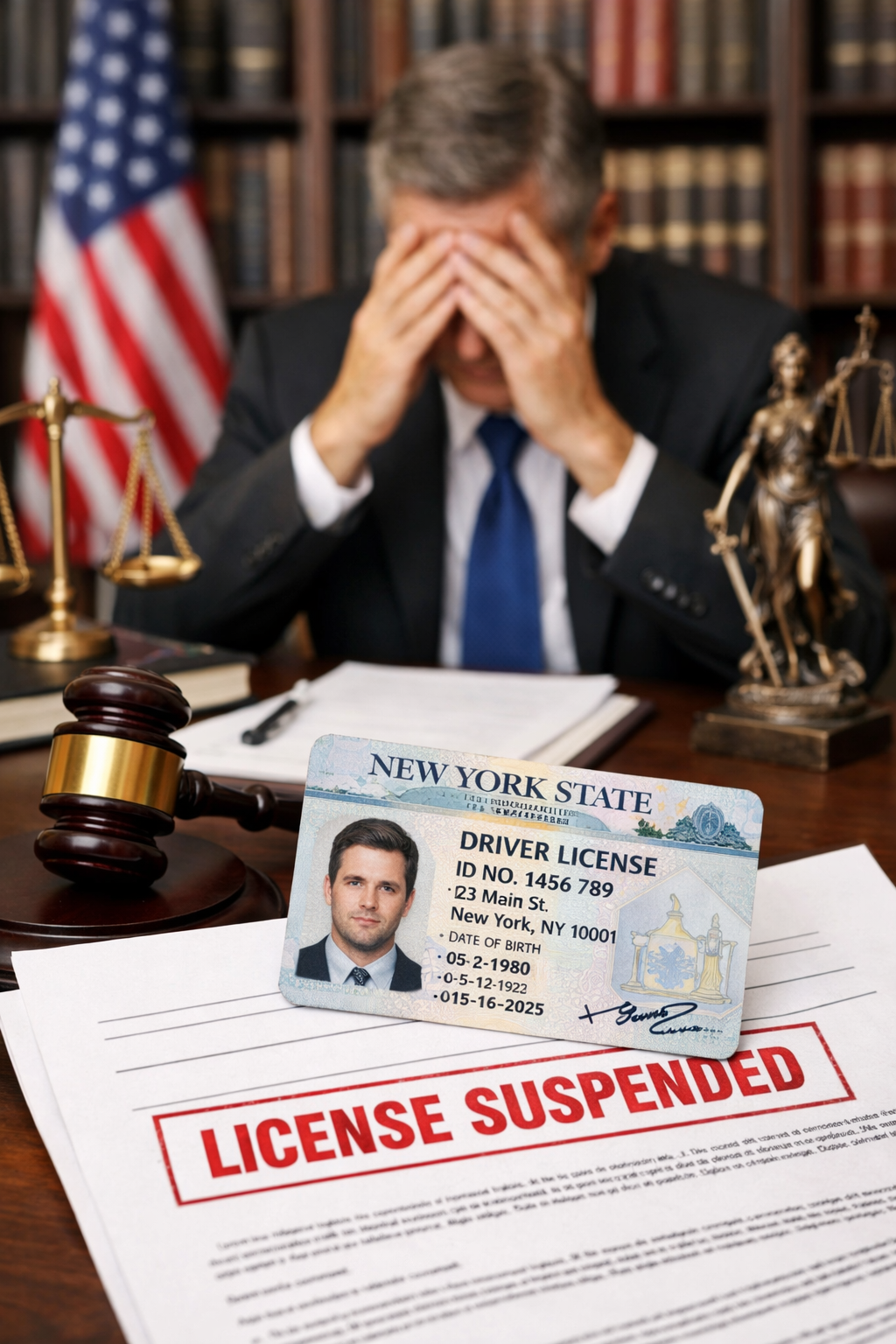
• Possible driver’s license suspension
In many cases, the long-term cost of a speeding ticket can reach thousands of dollars when insurance increases are included.
For this reason, many drivers choose to fight their tickets instead of immediately paying them.
Understanding the New York Speeding Ticket System
Speeding tickets in New York are handled in different ways depending on where the violation occurred.
If you receive a ticket in New York City, the case is handled by the Traffic Violations Bureau operated by the New York State Department of Motor Vehicles.
Unlike regular courts in other parts of New York State, the Traffic Violations Bureau (TVB) has unique rules:
• There are no plea bargains
• Cases are decided by an administrative judge
• The officer must testify at the hearing
Because of these rules, preparing a proper defense is extremely important.
New York Speeding Ticket Fines and Points
The penalties for speeding depend on how fast you were driving above the speed limit.
| Speed Over Limit | Points | Typical Fine |
|---|---|---|
| 1–10 mph | 3 points | $150+ |
| 11–20 mph | 4 points | $150–$300 |
| 21–30 mph | 6 points | $300–$450 |
| 31–40 mph | 8 points | $450–$600 |
| 41+ mph | 11 points | Up to $600 |
If a driver accumulates 11 points within 18 months, the DMV may suspend their license.
Drivers who receive 6 or more points must also pay a Driver Responsibility Assessment fee for three years.
What Happens After You Receive a Speeding Ticket
Once a speeding ticket is issued, drivers typically have two options:
1. Plead Guilty
This means paying the fine and accepting the points on your license.
2. Plead Not Guilty and Request a Hearing
This allows you to challenge the ticket in court or at a TVB hearing.
Most drivers who want to protect their driving record choose the second option.
How a Traffic Ticket Hearing Works
If you plead not guilty, your case will be scheduled for a hearing.
During the hearing:
- The police officer testifies about the alleged violation
- Evidence such as radar readings may be presented
- The driver or attorney may question the officer
- A judge determines whether the driver is guilty
Winning a speeding ticket case often depends on identifying weaknesses in the officer’s testimony or evidence.
Common Defenses to Speeding Tickets in New York
There is no universal defense that works in every case, but several common legal strategies are often used.
Radar or Laser Calibration Issues
Police officers frequently use radar or laser devices to measure vehicle speed.
However, these devices must meet strict requirements:
• They must be properly calibrated
• Officers must be trained to use them
• Calibration records must be maintained
If the equipment was not properly maintained or tested, the accuracy of the reading may be challenged.
Improper Use of Speed Detection Devices
Radar and laser devices must be used according to specific procedures.
Errors may occur if:
• The officer was positioned improperly
• Multiple vehicles were nearby
• The beam may have detected another vehicle
In heavy traffic, it can sometimes be difficult for an officer to identify which vehicle triggered the reading.
Pacing Method Errors
Sometimes officers determine speed by pacing a vehicle with their patrol car.
For pacing to be accurate:
• The patrol vehicle speedometer must be calibrated
• The officer must maintain a constant distance
• Traffic conditions must allow accurate pacing
If any of these elements are questionable, the reliability of the speed estimate may be challenged.
Officer Did Not Appear
At a hearing, the police officer who issued the ticket must testify.
If the officer fails to appear, the case is typically dismissed.
This is one of the reasons some drivers choose to contest their tickets rather than paying them immediately.
Insufficient Evidence
The prosecution must prove that the driver committed the violation.
If the officer’s testimony contains inconsistencies or lacks sufficient detail, the judge may determine the evidence is not strong enough to support a conviction.
The Impact of Speeding Tickets on Insurance
One of the most costly consequences of a speeding ticket is the effect on auto insurance.
Insurance companies view speeding violations as indicators of increased risk. As a result, premiums may rise significantly after a conviction.
Typical increases can include:
• $300–$800 per year for minor speeding violations
• $1,000 or more for higher speed violations
• Increased premiums for three to five years
This means the true cost of a speeding ticket is often far higher than the initial fine.
Driver Responsibility Assessment Fees
New York imposes additional penalties when drivers accumulate multiple points.
Drivers who receive six or more points within 18 months must pay a Driver Responsibility Assessment to the DMV.
The standard fee is:
• $300 for six points
• $75 for each additional point
These fees are paid annually for three years.
When a Speeding Ticket Can Lead to License Suspension
License suspension may occur if:
• A driver accumulates 11 points within 18 months
• The driver fails to respond to the ticket
• Fines or assessments remain unpaid
Drivers who rely on their vehicles for work may face serious financial consequences if their license is suspended.
Is It Worth Hiring a Traffic Ticket Lawyer?
Many drivers wonder whether hiring a traffic lawyer is worth it.
The reality is that legal representation can provide several advantages.
An experienced attorney may:
• Identify legal weaknesses in the ticket
• Cross-examine the police officer
• Challenge radar or laser evidence
• Present legal defenses during the hearing
Because insurance increases can last several years, many drivers find that fighting the ticket may save money in the long term.
Steps to Take After Receiving a Speeding Ticket
If you receive a speeding ticket in New York, consider the following steps:
- Review the ticket carefully for errors
- Do not automatically plead guilty
- Respond before the deadline listed on the ticket
- Consider requesting a hearing
- Speak with an experienced traffic attorney
Acting quickly can help protect your rights and improve your chances of a favorable outcome.
Speak With an Experienced New York Traffic Ticket Lawyer
Speeding tickets may seem minor, but they can have serious long-term consequences for your driving record and insurance rates.
If you received a speeding ticket in New York, an experienced traffic lawyer can review your case and explain your legal options.
Drivers seeking assistance with traffic ticket defense can contact The Law Office Of Gina M Wicik for help fighting speeding tickets and protecting their driving records.