You’re behind the wheel of a friend’s car, cruising the streets of New York. Suddenly, the dreaded flashing lights appear in your rearview mirror – you’re being pulled over. But when it comes to getting a traffic ticket in someone else’s car in New York, who’s responsible for the ticket?
Getting a Traffic Ticket in Someone Else’s Car in New York: Who’s Responsible
You’re behind the wheel of a friend’s car, cruising the streets of New York. Suddenly, the dreaded flashing lights appear in your rearview mirror – you’re being pulled over. But when it comes to getting a traffic ticket in someone else’s car in New York, who’s responsible for the ticket? In today’s fast-paced world, it’s not uncommon to find ourselves driving someone else’s vehicle. Understanding the legal and financial implications of receiving a traffic ticket while driving another person’s car can save you from potential headaches down the road.
Understanding Traffic Ticket Responsibility in New York
Navigating the world of traffic tickets in New York can be an unnerving task, especially when the vehicle involved isn’t yours. Bear in mind that the driver, not the registered owner, is held accountable for any traffic violations that occur while operating someone else’s car. This means that regardless of whether you’re driving your own car or your friend’s, you’re still responsible for adhering to traffic laws and regulations.
On the other hand, the registered owner of someone else’s vehicle won’t face any direct repercussions if a driver receives a traffic citation in their car. However, the owner’s insurance rates may be affected if the driver is found guilty of a parking ticket or any other traffic violation. Understanding the shared responsibility between drivers and vehicle owners can help both parties make informed decisions and take appropriate action in the event of a traffic ticket.
Driver’s Accountability
When you’re the one driving another person’s car and receive a traffic violation, you are the one held accountable for the ticket, even if it’s issued to the vehicle owner. This means that you’ll be the one facing the legal ramifications of the violation, which can include fines, points on your driver’s license, and potential license suspension if you accumulate too many points within a certain period.
Moreover, if you receive a traffic ticket while driving a rental car or zipcar, failing to report it could be considered a breach of your rental agreement or the company’s terms of service. To avoid any unpleasant surprises, make sure to handle the traffic ticket promptly and diligently, seeking legal assistance if necessary.
Contact The Law Office of Gina M. Wicik for a free case evaluation at 516-253-4278.
Registered Owner’s Involvement
As a registered vehicle owner in New York, you may be wondering what your role is when someone else receives a traffic ticket while driving your car. Generally, you are responsible for managing the ticket, which can include paying the penalty and dealing with any related consequences, such aspoints on your license. Addressing the ticket swiftly and taking all necessary steps towards its resolution is of utmost importance.
One common concern among vehicle owners is the impact of a traffic ticket on theirinsurance rates. A traffic ticket in New York can indeed result in increased insurance premiums for the registered owner. The exact impact on insurance costs depends on several factors, such as the type of violation and the insurance company’s policies.. Nonetheless, understanding potential implications and maintaining open communication with the driver involved can ensure a smooth resolution of the issue.
Insurance Implications for Both Parties
Receiving a traffic ticket while driving another person’s car in New York can have unique insurance implications for both the driver and the vehicle owner. The owner’s insurance company may be informed of the ticket, potentially affecting their insurance rates. Additionally, the driver’s own insurance company may also be able to view the conviction on their driving record, potentially leading to increased insurance costs. It’s advisable to consult with the respective insurance companies to understand the particular implications in each case.
Insurance implications can vary on a case-by-case basis. For instance, a moving violation might result in increased premiums for the driver but not significantly affect the vehicle owner’s insurance rates. On the other hand, if someone else receives a speeding ticket or parking ticket while driving your car, your insurance rates may be affected.
In the event of an accident involving someone else driving your car, both the driver’s and vehicle owner’s insurance rates could potentially increase. Practicing safe driving habits and adhering to traffic laws can help both parties minimize the risk of insurance rate hikes.
Driver’s Insurance Costs
As the driver, it’s essential to be aware of the potential insurance implications you may face if you receive a traffic ticket while driving someone else’s car in New York. You might experience increased insurance premiums and points being added to your driving record. In fact, a traffic ticket in New York can potentially increase insurance rates by up to 22% or more. These increased rates can have a lasting effect, as a traffic ticket can impact your insurance premiums for a period of three years.
Prioritizing safe driving and adherence to traffic laws can help avoid these undesirable consequences. By doing so, you’ll minimize the likelihood of receiving a traffic ticket and the subsequent impact on your insurance costs.
Vehicle Owner’s Insurance Costs
As the vehicle owner, it’s important to understand the potential implications of traffic violations on your insurance rates in New York. Traffic violations can have a significant effect on your insurance rates, with even minor traffic tickets potentially leading to increased premiums. However, parking tickets do not have a direct influence on your insurance costs.
If the driver receives a ticket while driving your car, your insurance rates may be subject to increase. Furthermore, if the driver involved in the violation is not listed on your insurance policy, you might still be covered if the driver had your permission to use the vehicle. To avoid potential complications, it’s essential to communicate with your insurance provider and ensure that you have proper coverage in place for all potential drivers of your vehicle.
Legal Considerations in New York
Dealing with traffic tickets in someone else’s car in New York involves several legal considerations. Traffic violations can result in:
· fines
· points on your driving record
· increased insurance premiums
· in certain cases, misdemeanor charges
A clear understanding of these legal aspects enables both the driver and the vehicle owner to make informed decisions and take appropriate action if a traffic ticket arises.
Seeking legal assistance from The Law Office of Gina M. Wicik, can help navigate the various legal implications of receiving a traffic ticket in someone else’s car in New York. We can provide guidance on the legal process, illustrate your rights and alternatives, and examine potential strategies for contesting the ticket or minimizing its effect. Obtaining legal counsel for traffic tickets in New York may offer benefits such as minimizing or eliminating points on your license, lowering fines and court costs, and improved negotiation with prosecutors.
New York Traffic Violations
Traffic violations in New York can range from minor offenses to severe infractions. Some of the most common traffic violations include:
Violating traffic rules can have serious consequences. Fines, points on your driving record, and higher insurance rates are all possible punishments.
Understanding the consequences of various traffic violations can help you make informed decisions and avoid potential pitfalls. By adhering to traffic laws and practicing safe driving habits, you can minimize the likelihood of receiving a traffic ticket and the subsequent legal implications.
License Suspension and Revocation
In New York, severe or repeated traffic violations may lead to driver’s license suspension or revocation. License suspension is a temporary withholding of driving privileges, while license revocation is the complete termination of driving privileges. The process for license suspension in New York due to traffic violations involves receiving a notice from the DMV, adhering to administrative protocols, and possibly paying fines.
Driving with a suspended or revoked license in New York is considered a misdemeanor offense with potential consequences such as:
· fines
· mandatory surcharges
· potential imprisonment
· a criminal record
Respecting traffic laws and promptly addressing any traffic violations is crucial to evade severe repercussions from a police officer.
Permissive Use and Insurance Policies
Permissive use is a vital concept to understand when driving someone else’s car in New York. It refers to granting permission to an individual who is not named or listed as a household member in an insurance policy to operate a vehicle. This coverage allows the unlisted individual to drive the car even if they are not included in the policy.
A clear grasp of the concept of permissive use and its implications on insurance policies aids both drivers and vehicle owners in making informed decisions when lending or borrowing a vehicle. By ensuring proper coverage and communicating with your insurance provider, you can minimize potential financial consequences and enjoy peace of mind while on the road.
Defining Permissive Use
In the context of New York’s insurance laws, permissive use is defined as the granting of permission to an individual who is not named or listed as a household member in an insurance policy to operate a vehicle. This coverage allows the unlisted individual to drive the car even if they are not included in the policy. Permissive use on car insurance policies in New York permits the operation of the insured vehicle with the owner’s consent by someone who is not listed on the policy.
Understanding the concept of permissive use is essential for both drivers and vehicle owners to ensure proper coverage when lending or borrowing a car. By being aware of the limits of permissive use in auto insurance and communicating with your insurance provider, you can avoid potential financial consequences and enjoy peace of mind while on the road.
Ensuring Proper Coverage
Making sure you have proper insurance coverage is crucial when lending your vehicle to someone else. As the vehicle owner, your insurance policy is typically the primary coverage for any damages or injuries resulting from an accident involving a car driven by someone other than the owner. This means that even if the driver has their own insurance, your policy will generally be responsible for covering claims related to the incident.
Communicating with your insurance provider and understanding the specific details of your policy is paramount to ensuring proper coverage. Some insurance policies in New York are tailored for lending vehicles and include comprehensive and collision coverage to safeguard the vehicle while it is being loaned. Consulting with your insurance provider and reviewing your policy will help you avoid potential complications and ensure that you have the necessary coverage in place for all potential drivers of your vehicle.
Preventing and Handling Traffic Tickets in Someone Else’s Car
A combination of safe driving practices, adherence to traffic laws, and seeking legal assistance when necessary are imperative to prevent and handle traffic tickets in someone else’s car in New York. Minimizing the likelihood of receiving a traffic ticket and the subsequent legal and financial implications can be achieved by practicing safe driving habits and adhering to traffic laws.
In the event you do receive a traffic ticket while driving someone else’s car, seeking legal assistance from The Law Office of Gina M. Wicik, can help you navigate the legal implications and develop the most beneficial strategy for your case. Legal professionals can provide guidance on the legal process, illustrate your rights and alternatives, and examine potential strategies for contesting the ticket or minimizing its effect.
Tips for Safe Driving
Practicing safe driving habits and following traffic laws can help prevent traffic tickets in someone else’s car. Some recommended strategies for safe driving in New York include:
· Always wearing a seatbelt
· Continuously observing all traffic and moving your eyes
· Being aware of vehicles entering the highway from curbs and driveways
· Being mindful of your surroundings and making eye contact with pedestrians
· Remaining composed while driving and avoiding road rage
· Being aware of taxis as they may stop suddenly and re-enter traffic
By adhering to traffic laws and implementing these safe driving practices, you can minimize the likelihood of receiving a traffic ticket and the subsequent impact on your driving record and insurance costs.
Seeking Legal Assistance
In the event you get a traffic ticket while driving someone else’s car in New York, enlisting the help of The Law Office of Gina M. Wicik, can guide you through the legal implications and help formulate the best strategy for your case. Our legal professionals can provide guidance on the legal process, illustrate your rights and alternatives, and examine potential strategies for contesting the ticket or minimizing its effect.
To find a reputable traffic attorney in New York, consider consulting online directories such as Yelp, Justia, and Avvo for listings and client reviews, or seek recommendations from friends, family, or colleagues who have had successful experiences with traffic attorneys in New York. By obtaining legal counsel from The Law Office of Gina M. Wicik, for traffic tickets, you can minimize or eliminate points on your license, lower fines and court costs, and improve negotiation with prosecutors.
Summary
Navigating the complexities of traffic tickets in someone else’s car in New York can be challenging, but understanding the responsibility of both the driver and the vehicle owner, as well as the insurance and legal implications, can help you be better prepared. By practicing safe driving habits, adhering to traffic laws, communicating with your insurance provider, and seeking legal assistance when necessary, you can minimize the likelihood of receiving a traffic ticket and its subsequent impact on your life. So, the next time you find yourself in the driver’s seat of someone else’s car, remember these valuable lessons and drive with confidence.
Contact The Law Office of Gina M. Wicik for a free case evaluation at 516-253-427

Receiving a traffic ticket in New York can be stressful, especially when you learn that it may add points to your driving record. Many drivers immediately start searching online to understand
Getting a speeding ticket in New York can be stressful and expensive. Many drivers simply pay the fine and move on, but paying a ticket is the same as pleading guilty.
Getting a traffic ticket in New York City can feel frustrating and expensive. Between fines, driver penalty points, insurance increases, and possible license suspension, a simple ticket can quickly become
lawyer, insurance, criminal defense lawyer, traffic ticket, speed limit, traffic, moving violation, stop sign, reckless driving, driving under the influence, law, injury, misdemeanor, personal injury, ignition interlock device, crime, hit and run, court, lawsuit, felony, vehicle, license, plea, deferred adjudication, road, information, prosecutor, district attorney, red light camera, texting while driving, revocation, criminal record, evidence, arrest, failure to appear, plea bargain, dui, case dismissed, lawyers, criminal defense, criminal defense attorney, traffic law, esq, cdl lawyer, traffic court lawyer, cdl ticket lawyer, cdl traffic ticket lawyer, traffic law attorney, traffic lawyer, traffic attorney, traffic defense attorney, traffic violation attorney, police, arrest warrant, payment, criminal law, fine, traffic stop, damages, breathalyzer, citation, law enforcement, seat belt, camera, trial, sentence, probation, police officer, failure, knowledge, traffic violation lawyer, speeding ticket attorney, traffic ticket lawyer $50, $99 traffic lawyer, traffic citation lawyer, traffic ticket lawyer, speeding ticket lawyer, ticket lawyer, traffic ticket attorney, ticket attorney, traffic lawyer cost, new york traffic ticket, traffic violations bureau, judge, traffic lawyer nyc, dmv lawyer nyc, traffic attorney nyc, traffic lawyer brooklyn, traffic ticket lawyer nyc, new york city, guilt, motor vehicle, tvb, new york state department of motor vehicles, accessibility, traffic tickets nyc, speeding ticket ny, paytickets nyc, best traffic lawyer nyc, speeding ticket lawyer nyc, insurance policy, vehicle insurance, accident, traffic light, policy, liability insurance, parking violation, fee, jurisdiction, pedestrian, intersection, liability, legal, insurance costs, view, insurance rates, attorney, truck, legal advice, mobile phone, jersey, proof of insurance, distracted driving, witness, affidavit, credit, marketing, highway
Frequently Asked Questions
How to fight a New York traffic ticket?
Fighting a New York traffic ticket involves gathering evidence, reviewing the ticket details, and possibly contesting it in court. You may also consider hiring a lawyer for expert guidance and representation.
How to contest a traffic ticket New York?
Contesting a traffic ticket in New York involves submitting a not guilty plea, either online or in person, followed by a court hearing where you can present evidence and arguments to challenge the ticket.
How to beat a traffic ticket in New York?
Beating a traffic ticket in New York requires a solid defense strategy. You can challenge the ticket by gathering evidence, questioning the officer's observations, or proving a lack of proper signage. Consulting with a legal expert can enhance your chances of success.
What evidence helps fight a traffic ticket?
The evidence that helps fight a traffic ticket includes photographs of the scene, witness statements, dashcam footage, and maintenance records of the vehicle. These can demonstrate inaccuracies in the ticket or support your defense.
Can I contest a ticket by mail?
You can contest a ticket by mail. To do so, follow the instructions on the ticket, submit your written defense along with any supporting evidence, and ensure it's sent to the appropriate court by the specified deadline.
What are the steps to contest a ticket?
The steps to contest a ticket include reviewing the citation, gathering evidence, filing a formal contestation with the appropriate court, attending the hearing, and presenting your case. Be sure to adhere to deadlines and procedures specific to your jurisdiction.
How long do I have to contest a ticket?
The timeframe to contest a ticket in New York is typically 15 days from the date of issuance. It’s essential to act promptly to ensure your rights are protected.
What documents are needed to contest a ticket?
To contest a ticket, you will need to provide essential documents such as the ticket itself, any relevant evidence (like photographs or witness statements), and your identification. These documents help support your case during the contestation process.
Can I request a hearing for my ticket?
You can request a hearing for your ticket. In New York, this process allows you to contest the ticket and present your case, potentially reducing penalties or dismissing the charge.
What are common defenses for traffic tickets?
Common defenses for traffic tickets include challenging the accuracy of the speed measurement, asserting the necessity of the action taken (e.g., avoiding an accident), or proving that the officer lacked probable cause to stop the vehicle.
How does a plea bargain work for tickets?
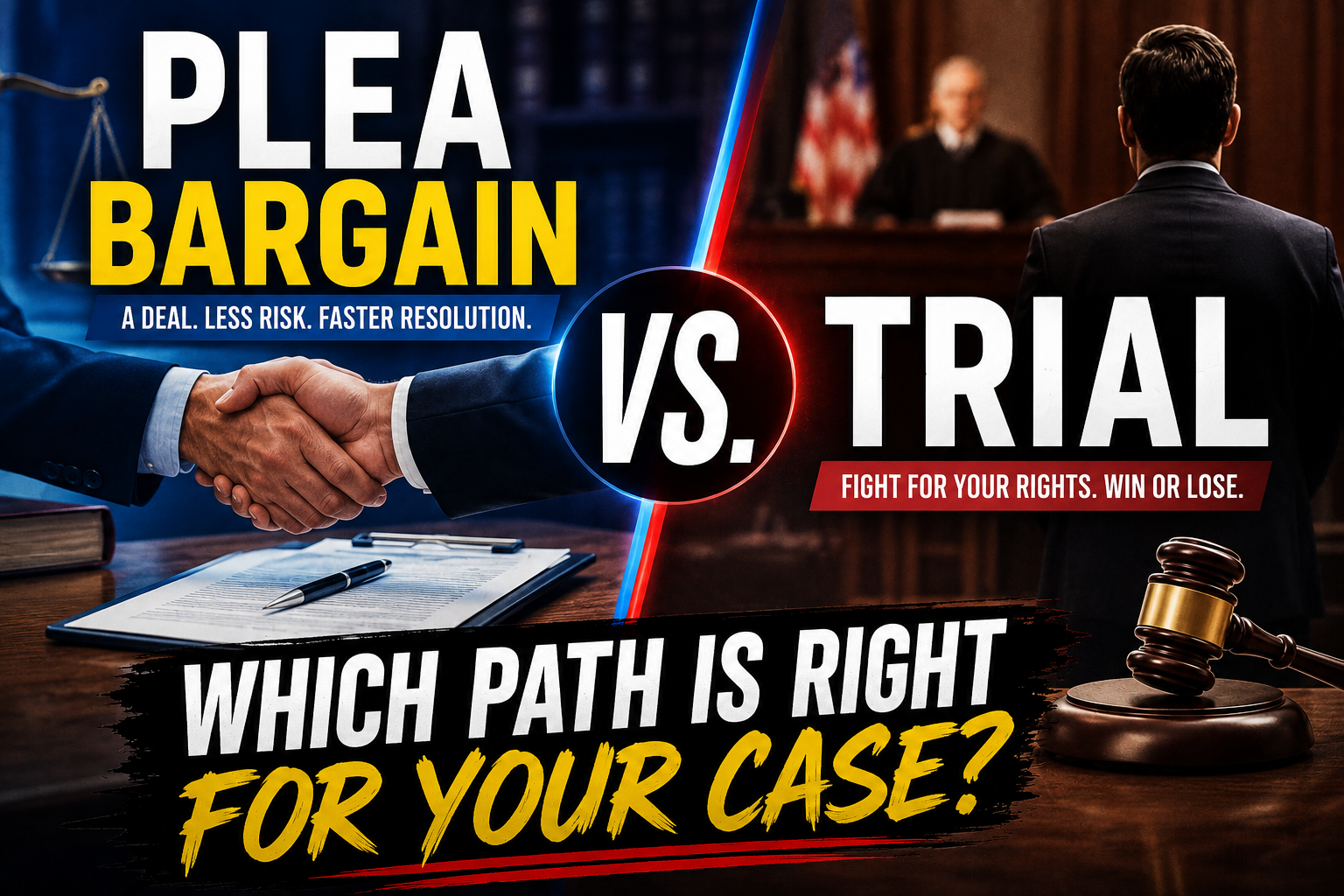
A plea bargain for tickets involves negotiating with the prosecutor to reduce the charges or penalties associated with a traffic violation. This can result in a lesser fine or a more favorable outcome, helping to avoid points on your driving record.
What happens if I miss my court date?
Missing your court date can lead to serious consequences, including a default judgment against you, fines, or even a bench warrant for your arrest. It's crucial to contact the court immediately to address the situation.
Can I appeal a traffic ticket decision?
You can appeal a traffic ticket decision. In New York, if you believe the ticket was issued in error or you have valid reasons to contest it, you can file an appeal within a specified timeframe.
How can I prove my innocence in court?
Proving your innocence in court involves presenting credible evidence, such as alibis, witness testimonies, or documentation, that supports your case. Engaging a skilled attorney can significantly enhance your chances of a favorable outcome.
What are the consequences of not contesting?
The consequences of not contesting a traffic ticket can include automatic guilt, resulting in fines, points on your driving record, and potential increases in insurance premiums. Ignoring the ticket may also lead to additional penalties, such as license suspension.
How can I prepare for a traffic ticket hearing?
Preparing for a traffic ticket hearing involves gathering evidence, reviewing the ticket details, and understanding the relevant laws. Additionally, consider practicing your testimony and possibly consulting with a legal professional for guidance.
What is the role of a traffic ticket lawyer?
The role of a traffic ticket lawyer is to represent clients facing traffic violations, helping them understand their rights, navigate legal processes, and potentially reduce fines or penalties. They aim to achieve the best possible outcome for their clients.
How can I reduce fines for a traffic ticket?
Reducing fines for a traffic ticket can be achieved by contesting the ticket in court, attending traffic school, or negotiating a plea deal with the prosecutor. Consulting with a legal expert can provide tailored strategies for your specific situation.
What should I say in court to contest?
To contest a ticket in court, clearly state your case by presenting evidence, explaining any mitigating circumstances, and asserting your innocence. Be respectful and concise while addressing the judge and responding to any questions.
Are there deadlines for contesting a ticket?
Deadlines for contesting a ticket are crucial. In New York, you typically have 15 days from the ticket issuance date to contest it. Missing this deadline may result in automatic penalties.
How can I find a traffic ticket lawyer?
Finding a traffic ticket lawyer involves researching local attorneys who specialize in traffic law. You can start by checking online directories, reading reviews, and asking for recommendations from friends or family.
What are the costs associated with contesting a ticket?
The costs associated with contesting a ticket include court fees, possible attorney fees, and any additional expenses related to gathering evidence or expert witnesses, which can vary based on the complexity of the case.
Can I contest a ticket if I was not driving?
You can contest a ticket if you were not driving, but you will need to provide evidence proving that someone else was behind the wheel at the time of the violation.
What is the process for fighting a ticket?
The process for fighting a ticket involves reviewing the citation, gathering evidence, and deciding whether to contest it in court. You can plead not guilty and present your case during the hearing to potentially have the ticket dismissed or reduced.
How can I gather evidence for my case?
Gathering evidence for your case involves collecting relevant documents, witness statements, photographs, and any other information that supports your position. It's crucial to organize this evidence systematically to present a strong argument in court.
What are the most effective arguments in court?
The most effective arguments in court are those that are clearly supported by evidence, align with legal precedents, and address the specific elements of the case. Building a strong narrative that resonates with the judge or jury is also crucial.
Can I contest a ticket without a lawyer?
You can contest a ticket without a lawyer. However, doing so may require a good understanding of traffic laws and court procedures to effectively present your case.
How does traffic school affect my ticket?
Traffic school can positively affect your ticket by potentially reducing points on your driving record and lowering fines. Completing a traffic school program may also help prevent insurance rate increases, depending on your insurer's policies.
What should I do if I receive a ticket?
Receiving a ticket means you should first read it carefully to understand the charges. Next, consider your options: pay the fine, contest the ticket in court, or seek legal advice to understand your rights and potential consequences.
How can I check the status of my ticket?
To check the status of your ticket, visit the New York State DMV website or contact their customer service. You can enter your ticket number online for real-time updates on its status.
view traffic ticket nyc, nyc stop sign ticket fine, how much is a stop sign ticket in new york, if someone gets a ticket in your car, how much is a stop sign ticket in nyc, insurance costs from traffic tickets in ny, speeding tickets in queens, how much is uninsured operator ticket in new york, if someone gets a ticket in your car who is responsible, can someone else drive your car, leaving ticket on car to avoid another ticket, if someone else gets a speeding ticket in your car, ny got ticket for uninsured vehicle, what happens if you get pulled over driving your friends car, if someone gets a speeding ticket in your car who is responsible, if someone else is driving my car and gets a speeding ticket, if someone is driving your car and gets a speeding ticket, can i drive someone elses car
lawyer, insurance, criminal defense lawyer, traffic ticket, speed limit, traffic, moving violation, stop sign, reckless driving, driving under the influence, law, injury, misdemeanor, personal injury, ignition interlock device, crime, hit and run, court, lawsuit, felony, vehicle, license, plea, deferred adjudication, road, information, prosecutor, district attorney, red light camera, texting while driving, revocation, criminal record, evidence, arrest, failure to appear, plea bargain, dui, case dismissed, lawyers, criminal defense, criminal defense attorney, traffic law, esq, cdl lawyer, traffic court lawyer, cdl ticket lawyer, cdl traffic ticket lawyer, traffic law attorney, traffic lawyer, traffic attorney, traffic defense attorney, traffic violation attorney, police, arrest warrant, payment, criminal law, fine, traffic stop, damages, breathalyzer, citation, law enforcement, seat belt, camera, trial, sentence, probation, police officer, failure, knowledge, traffic violation lawyer, speeding ticket attorney, traffic ticket lawyer $50, $99 traffic lawyer, traffic citation lawyer, traffic ticket lawyer, speeding ticket lawyer, ticket lawyer, traffic ticket attorney, ticket attorney, traffic lawyer cost, new york traffic ticket, traffic violations bureau, judge, traffic lawyer nyc, dmv lawyer nyc, traffic attorney nyc, traffic lawyer brooklyn, traffic ticket lawyer nyc, new york city, guilt, motor vehicle, tvb, new york state department of motor vehicles, accessibility, traffic tickets nyc, speeding ticket ny, paytickets nyc, best traffic lawyer nyc, speeding ticket lawyer nyc, insurance policy, vehicle insurance, accident, traffic light, policy, liability insurance, parking violation, fee, jurisdiction, pedestrian, intersection, liability, legal, insurance costs, view, insurance rates, attorney, truck, legal advice, mobile phone, jersey, proof of insurance, distracted driving, witness, affidavit, credit, marketing, highway
Frequently Asked Questions
How to fight a New York traffic ticket?
Fighting a New York traffic ticket involves gathering evidence, reviewing the ticket details, and possibly contesting it in court. You may also consider hiring a lawyer for expert guidance and representation.
How to contest a traffic ticket New York?
Contesting a traffic ticket in New York involves submitting a not guilty plea, either online or in person, followed by a court hearing where you can present evidence and arguments to challenge the ticket.
How to beat a traffic ticket in New York?
Beating a traffic ticket in New York requires a solid defense strategy. You can challenge the ticket by gathering evidence, questioning the officer's observations, or proving a lack of proper signage. Consulting with a legal expert can enhance your chances of success.
What evidence helps fight a traffic ticket?
The evidence that helps fight a traffic ticket includes photographs of the scene, witness statements, dashcam footage, and maintenance records of the vehicle. These can demonstrate inaccuracies in the ticket or support your defense.
Can I contest a ticket by mail?
You can contest a ticket by mail. To do so, follow the instructions on the ticket, submit your written defense along with any supporting evidence, and ensure it's sent to the appropriate court by the specified deadline.
What are the steps to contest a ticket?
The steps to contest a ticket include reviewing the citation, gathering evidence, filing a formal contestation with the appropriate court, attending the hearing, and presenting your case. Be sure to adhere to deadlines and procedures specific to your jurisdiction.
How long do I have to contest a ticket?
The timeframe to contest a ticket in New York is typically 15 days from the date of issuance. It’s essential to act promptly to ensure your rights are protected.
What documents are needed to contest a ticket?
To contest a ticket, you will need to provide essential documents such as the ticket itself, any relevant evidence (like photographs or witness statements), and your identification. These documents help support your case during the contestation process.
Can I request a hearing for my ticket?
You can request a hearing for your ticket. In New York, this process allows you to contest the ticket and present your case, potentially reducing penalties or dismissing the charge.
What are common defenses for traffic tickets?
Common defenses for traffic tickets include challenging the accuracy of the speed measurement, asserting the necessity of the action taken (e.g., avoiding an accident), or proving that the officer lacked probable cause to stop the vehicle.
How does a plea bargain work for tickets?
A plea bargain for tickets involves negotiating with the prosecutor to reduce the charges or penalties associated with a traffic violation. This can result in a lesser fine or a more favorable outcome, helping to avoid points on your driving record.
What happens if I miss my court date?
Missing your court date can lead to serious consequences, including a default judgment against you, fines, or even a bench warrant for your arrest. It's crucial to contact the court immediately to address the situation.
Can I appeal a traffic ticket decision?
You can appeal a traffic ticket decision. In New York, if you believe the ticket was issued in error or you have valid reasons to contest it, you can file an appeal within a specified timeframe.
How can I prove my innocence in court?
Proving your innocence in court involves presenting credible evidence, such as alibis, witness testimonies, or documentation, that supports your case. Engaging a skilled attorney can significantly enhance your chances of a favorable outcome.
What are the consequences of not contesting?
The consequences of not contesting a traffic ticket can include automatic guilt, resulting in fines, points on your driving record, and potential increases in insurance premiums. Ignoring the ticket may also lead to additional penalties, such as license suspension.
How can I prepare for a traffic ticket hearing?
Preparing for a traffic ticket hearing involves gathering evidence, reviewing the ticket details, and understanding the relevant laws. Additionally, consider practicing your testimony and possibly consulting with a legal professional for guidance.
What is the role of a traffic ticket lawyer?
The role of a traffic ticket lawyer is to represent clients facing traffic violations, helping them understand their rights, navigate legal processes, and potentially reduce fines or penalties. They aim to achieve the best possible outcome for their clients.
How can I reduce fines for a traffic ticket?
Reducing fines for a traffic ticket can be achieved by contesting the ticket in court, attending traffic school, or negotiating a plea deal with the prosecutor. Consulting with a legal expert can provide tailored strategies for your specific situation.
What should I say in court to contest?
To contest a ticket in court, clearly state your case by presenting evidence, explaining any mitigating circumstances, and asserting your innocence. Be respectful and concise while addressing the judge and responding to any questions.
Are there deadlines for contesting a ticket?
Deadlines for contesting a ticket are crucial. In New York, you typically have 15 days from the ticket issuance date to contest it. Missing this deadline may result in automatic penalties.
How can I find a traffic ticket lawyer?
Finding a traffic ticket lawyer involves researching local attorneys who specialize in traffic law. You can start by checking online directories, reading reviews, and asking for recommendations from friends or family.
What are the costs associated with contesting a ticket?
The costs associated with contesting a ticket include court fees, possible attorney fees, and any additional expenses related to gathering evidence or expert witnesses, which can vary based on the complexity of the case.
Can I contest a ticket if I was not driving?
You can contest a ticket if you were not driving, but you will need to provide evidence proving that someone else was behind the wheel at the time of the violation.
What is the process for fighting a ticket?
The process for fighting a ticket involves reviewing the citation, gathering evidence, and deciding whether to contest it in court. You can plead not guilty and present your case during the hearing to potentially have the ticket dismissed or reduced.
How can I gather evidence for my case?
Gathering evidence for your case involves collecting relevant documents, witness statements, photographs, and any other information that supports your position. It's crucial to organize this evidence systematically to present a strong argument in court.
What are the most effective arguments in court?
The most effective arguments in court are those that are clearly supported by evidence, align with legal precedents, and address the specific elements of the case. Building a strong narrative that resonates with the judge or jury is also crucial.
Can I contest a ticket without a lawyer?
You can contest a ticket without a lawyer. However, doing so may require a good understanding of traffic laws and court procedures to effectively present your case.
How does traffic school affect my ticket?
Traffic school can positively affect your ticket by potentially reducing points on your driving record and lowering fines. Completing a traffic school program may also help prevent insurance rate increases, depending on your insurer's policies.
What should I do if I receive a ticket?
Receiving a ticket means you should first read it carefully to understand the charges. Next, consider your options: pay the fine, contest the ticket in court, or seek legal advice to understand your rights and potential consequences.
How can I check the status of my ticket?
To check the status of your ticket, visit the New York State DMV website or contact their customer service. You can enter your ticket number online for real-time updates on its status.
view traffic ticket nyc, nyc stop sign ticket fine, how much is a stop sign ticket in new york, if someone gets a ticket in your car, how much is a stop sign ticket in nyc, insurance costs from traffic tickets in ny, speeding tickets in queens, how much is uninsured operator ticket in new york, if someone gets a ticket in your car who is responsible, can someone else drive your car, leaving ticket on car to avoid another ticket, if someone else gets a speeding ticket in your car, ny got ticket for uninsured vehicle, what happens if you get pulled over driving your friends car, if someone gets a speeding ticket in your car who is responsible, if someone else is driving my car and gets a speeding ticket, if someone is driving your car and gets a speeding ticket, can i drive someone elses car