
What is a mistrial in a criminal trial? A mistrial can derail the pursuit of justice, leaving all parties involved in a state of uncertainty. To navigate this potential pitfall, it is vital to comprehend the causes and consequences of mistrials, as well as the roles of the defense attorney and the prosecution in handling and preventing them.
If you have been arrested for a criminal offense in New York Or New Jersey, the Law Offices of Gina M Wicik is ready to defend your rights. Our defense team has as thorough an understanding of criminal law as any firm in New York or New Jersey. Our attorney represent clients everyday with positive outcome. Contact us today for a free initial consultation.
Understanding Mistrials: Definition and Causes
A mistrial occurs when a trial is declared invalid due to errors or issues that impede a fair and equitable outcome. These errors can happen at any stage of the trial, from jury selection to deliberation, and may even arise after the verdict is reached but before it’s announced in court. Some of the most common causes of mistrials are hung juries, juror misconduct, and the introduction of inadmissible evidence.
In the event of a mistrial, the entire trial process has to start over. This could include a different jury or even another presiding judge, if judicial misconduct was a factor in the case. This can be a costly and time-consuming endeavor for all parties involved.
Hung Jury
To gain a deeper insight into the causes of mistrials, we will delve into the three most common causes. A hung jury occurs when the jurors are unable to reach a unanimous verdict, resulting in a mistrial. When this happens, the presiding judge must declare a mistrial and decide whether to proceed with a retrial or not. The ramifications of a hung jury can be far-reaching, as they may lead to retrials with a new jury, plea bargains, or even case dismissals. The inability to reach a unanimous verdict often stems from differing opinions on whether the evidence proves the defendant’s guilt beyond a reasonable doubt.
A deadlocked jury can put immense strain on the criminal justice system, as it prolongs court proceedings and requires additional resources. Hence, comprehending and tackling the causes of jury deadlock can prevent mistrials and guarantee a fair trial for all involved.
Juror Misconduct
Juror misconduct encompasses a wide range of behaviors that violate the law or rules during or after a court case. Examples include:
· Incompetence
· Bias
· Intoxication
· Sleeping
· Racism
· Failure to follow the judge’s instructions
When juror misconduct impairs the impartiality of the trial, it may result in a mistrial. Juror misconduct can compromise the integrity of the trial and prevent the formation of an impartial jury, leading to a mistrial.
The consequences of juror misconduct can vary depending on the severity of the misconduct. In some cases, the judge may order a mistrial, and the case must be retried, potentially for the same crime. In other instances, the judge may simply issue a warning or reprimand to the offending juror.
Irrespective of the result, tackling juror misconduct is fundamental to maintaining fairness and integrity in the criminal justice system.
Inadmissible Evidence
Inadmissible evidence refers to evidence that does not adhere to the established rules. When such evidence is introduced during a trial, it can lead to a mistrial if it significantly impacts the jury’s decision-making process. In some cases, admitting inadmissible evidence may raise concerns about double jeopardy if the defendant is tried again for the same offense.
The ramifications of a mistrial due to inadmissible evidence can include retrials, plea bargains, and case dismissals. Avoiding mistrials due to inadmissible evidence requires all involved parties to comprehend and follow the rules of evidence.
Consequences of a Mistrial
The consequences of a mistrial can be far-reaching and vary depending on the circumstances and decisions made by the prosecution and defense. Following a mistrial, the consequences can include:
· The prosecution may choose to retry the defendant
· The prosecution may present a plea agreement to avoid a second trial
· The prosecution may decide not to pursue a retrial if there is insufficient evidence, resulting in the dismissal of charges
In a retrial, the prosecution must once again prove the defendant guilty beyond a reasonable doubt to secure a conviction.
To comprehend the potential outcomes of a mistrial better, we will examine the three primary consequences following a guilty verdict: retrials, plea bargains, and case dismissals.
Double Jeopardy Protection
Double jeopardy protection is a cornerstone of the American legal system, enshrined in the Fifth Amendment of the Constitution. This principle ensures that a defendant cannot be prosecuted more than once for the same crime, safeguarding individuals from repeated legal jeopardy.
In the context of a mistrial, understanding double jeopardy protection is crucial. Typically, if a mistrial is declared due to a hung jury or procedural errors, double jeopardy does not apply, allowing for a retrial. However, the situation changes if the mistrial results from prosecutorial or judicial misconduct, or if the defendant objects to the mistrial. In such cases, double jeopardy protection may prevent a retrial, ensuring the defendant is not unfairly subjected to multiple prosecutions for the same offense.
For instance, if a mistrial is declared because of a deadlocked jury, the prosecution can usually retry the case. Conversely, if the mistrial stems from prosecutorial misconduct, such as the intentional introduction of inadmissible evidence, double jeopardy protection may bar a retrial. This protection is vital in maintaining the integrity of the legal process and ensuring that defendants are not punished multiple times for the same crime.
In summary, double jeopardy protection plays a critical role in determining the permissibility of a retrial following a mistrial. It ensures that defendants are not subjected to the risk of conviction and punishment for the same offense twice, particularly in cases involving prosecutorial or judicial misconduct.
The Role of the Judge in a Mistrial
The trial judge holds a pivotal role in the declaration of a mistrial, wielding the discretion to determine whether a trial can continue fairly. This decision is not taken lightly and is based on various factors, including procedural errors, juror misconduct, and prosecutorial misconduct.
When a judge decides to declare a mistrial, they must carefully weigh the rights of the defendant, the interests of the prosecution, and the public’s interest in a fair and efficient justice system. This balancing act ensures that the decision to declare a mistrial is just and equitable for all parties involved.
In some instances, a judge may declare a mistrial sua sponte, or on their own initiative, without a request from either the defense or the prosecution. This can occur if the judge identifies a fundamental error in the trial proceedings that compromises the fairness of the trial. For example, if juror misconduct, such as bias or failure to follow instructions, is discovered, the judge may determine that a fair trial is no longer possible and declare a mistrial.
Beyond declaring a mistrial, the judge’s responsibilities include safeguarding the defendant’s rights and ensuring that the prosecution does not gain an unfair advantage. The judge must also consider the broader implications of the mistrial on the justice system and the public’s trust in its fairness.
In conclusion, the trial judge’s role in a mistrial is multifaceted and crucial. By carefully considering the circumstances and balancing competing interests, the judge ensures that the declaration of a mistrial is fair and just, upholding the integrity of the legal process.
Retrials
A retrial is a legal proceeding wherein the prosecution and defense present their cases to a fresh jury. Retrials can be held when a mistrial is declared as a result of a hung jury, juror misconduct, or the admission of inadmissible evidence.
The potential outcomes of a retrial may include a conviction, plea bargains, case dismissals, and the need for the defense attorney to identify procedural errors and advocate for a fair trial. Depending on the situation surrounding the mistrial and the evidence’s strength, the prosecution may choose either to refile charges or to drop the case.
Plea Bargains
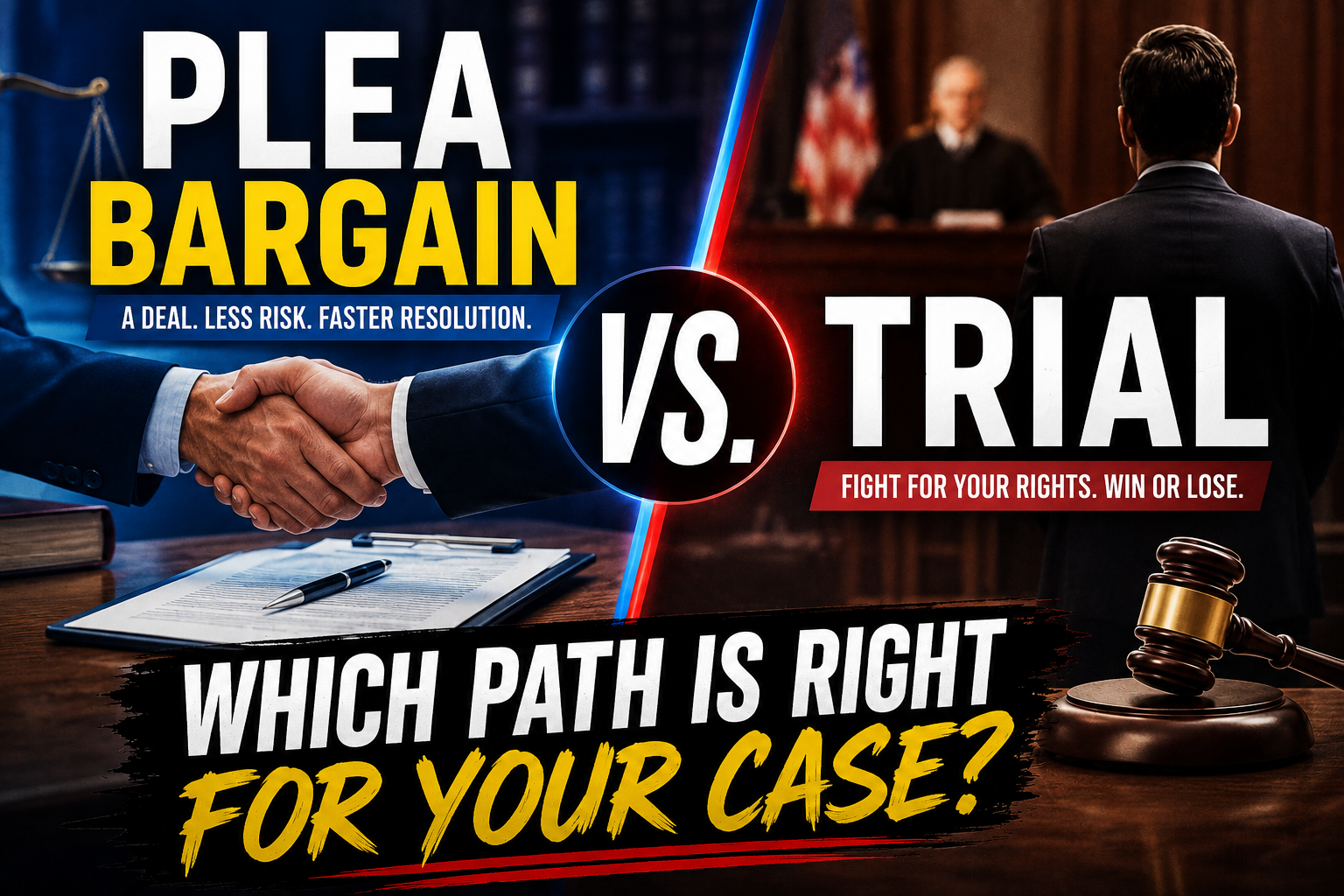
Plea bargains are negotiated agreements wherein the defendant agrees to plead guilty to a lesser charge in exchange for a reduced sentence. They are employed to settle criminal cases without resorting to trial and offer the defendant the ability to plead guilty to reduced charges in exchange for a reduced sentence, while providing the prosecution the opportunity to bypass the duration and expenditure of a trial.
Negotiating plea bargains typically involves the following steps:
1. The defense attorney and the prosecutor discuss the case and the potential plea bargain.
2. The defense attorney presents the plea bargain to the defendant.
3. The defendant decides whether to accept or decline the plea bargain.
4. If the defendant accepts the plea bargain, the prosecutor submits it to the court for approval.
Case Dismissals
A case dismissal is when a case is dismissed, either with or without prejudice, as determined by the ruling of the judge. A dismissal with prejudice is a definitive judgment that the defendant is not culpable of the charges, whereas a dismissal without prejudice permits the case to be re-submitted at a later time.
In some cases, a mistrial may lead to the dismissal of the case, either with or without prejudice, depending on the judge’s ruling and the circumstances surrounding the mistrial. This outcome can provide closure for the parties involved and bring an end to the legal proceedings.
The Role of the Defense Attorney in a Mistrial
Defense attorneys play a crucial role in mistrials by identifying procedural errors, advocating for a fair trial, and negotiating plea deals on behalf of their clients. Their knowledge and dedication to their clients’ rights are essential in navigating the complexities of the criminal justice system and ensuring that defendants receive a fair trial.
Consulting with experienced legal counsel is crucial for navigating the complexities of a mistrial and ensuring the best possible outcome for the defendant.
Identifying Procedural Errors
Identifying procedural errors entails recognizing and highlighting mistakes or infringements of established procedures during a legal process or trial. These errors can comprise matters related to:
· evidence
· witness testimony
· jury instructions
· the conduct of the judge or attorneys involved
The identification of procedural errors is essential in guaranteeing a fair and equitable legal system.
Defense attorneys can identify procedural errors that may lead to a mistrial and endeavor to rectify them or contend for a dismissal of the case. Recognizing procedural errors might lead to a mistrial, potentially resulting in a retrial, a plea bargain, or a case dismissal.
Advocating for a Fair Trial
Advocating for a fair trial entails ensuring that the defendant’s rights are safeguarded and that the trial is conducted according to the law. The duty of the defense attorney in a mistrial is to recognize any procedural mistakes that may have taken place during the trial and to negotiate plea deals if required.
Being a dedicated advocate for their client, The Law Office of Gina M. Wicik, will vigilantly identify any issues compromising the trial’s fairness and work assiduously to rectify them. This may involve challenging the admissibility of evidence, questioning juror bias, or bringing attention to judicial misconduct.
Negotiating Plea Deals
In the event of a mistrial, defense attorneys may negotiate plea deals with the prosecution in order to secure a more advantageous result for their clients. The process of negotiating plea deals involves the defense attorney and the prosecutor deliberating on the case and the potential plea bargain.
Plea deals may lead to decreased charges, diminished sentences, or other beneficial results for the defendant. By skillfully negotiating plea deals, The Law Office of Gina M. Wicik can help their clients avoid the uncertainties and challenges associated with a retrial, while also saving time and resources for the court system.
How the Prosecution Handles a Mistrial
The prosecution’s response to a mistrial may include refiling charges or dropping the case altogether, depending on the circumstances and the strength of their evidence. In some cases, the prosecution may decide to drop the case after a mistrial, particularly if they believe they cannot secure a conviction in a retrial.
Refiling Charges
Refiling charges provides an opportunity for the prosecution to rectify any errors that resulted in the mistrial and present their case to a fresh jury. This option gives the prosecution the opportunity to address any issues that arose during the initial trial and work towards securing a conviction in the retrial.
The potential consequences of refiling charges in a criminal case are contingent upon the result of the new trial. If the defendant is adjudged guilty, they may incur the same or more severe penalties than previously.
Dropping the Case
In some cases, the prosecution may decide to drop the case after a mistrial, particularly if they are of the opinion that they cannot secure a conviction in a retrial, leading to a not guilty verdict. This decision may be based on factors such as insufficient evidence, witness unavailability, or a change in the prosecution’s strategy.
The repercussions of dropping the case are contingent upon the applicable jurisdiction and the distinct circumstances of the case. Generally, the defendant will be released from detention and the charges will be dismissed. Nonetheless, the prosecution may still be able to refile the charges in certain cases.
Preventing Mistrials: Best Practices for Court Proceedings
Preventing mistrials involves proper jury selection, adherence to rules of evidence, and clear communication and instructions from the judge and attorneys involved in the case. By ensuring that court proceedings are conducted in a fair and efficient manner, the likelihood of mistrials can be minimized, leading to a more streamlined and effective criminal justice system.
Proper Jury Selection
Proper jury selection is crucial for ensuring a fair and unbiased jury. The voir dire process is utilized to question the jurors in order to ascertain whether they are competent and able to make a fair and impartial decision on the case.
Through meticulous screening of potential jurors and choosing those unbiased and capable of fairly assessing the trial evidence, the risk of mistrials stemming from hung juries or juror misconduct can be significantly lowered.
Adherence to Rules of Evidence
Adherence to rules of evidence is critical in order to guarantee that only pertinent and dependable evidence is submitted in court, thus advancing equity and precision in the determination of facts. Compliance with these rules helps prevent the introduction of inadmissible evidence that could lead to a mistrial.
By adhering rigidly to the rules and principles that govern the admission and exclusion of evidence in legal proceedings, the prosecution and defense can collaborate to ensure a fair trial and diminish the chances of mistrials.
Clear Communication and Instructions
Clear communication and instructions from the judge and attorneys are essential for ensuring that jurors understand their responsibilities and the legal standards they must apply in reaching a verdict. This includes providing clear and succinct jury instructions, as well as communicating effectively with all parties involved in the trial.
The utilization of clear communication and instructions in the courtroom can significantly mitigate the risk of mistrials caused by juror confusion or misunderstanding of their duties, resulting in a more efficient and equitable criminal justice system.
Contact Law Office Of Gina M Wicik
In conclusion, understanding the causes and consequences of mistrials in criminal cases is vital for all parties involved in the criminal justice system. By recognizing the factors that can lead to a mistrial, such as hung juries, juror misconduct, and inadmissible evidence, and employing best practices for court proceedings like proper jury selection and adherence to rules of evidence, we can work towards preventing mistrials and ensuring a fair and just legal process for all.